The why · My brother
Every vision has a beginning. This one is personal.
Mount Gilgal is not an abstract idea. Its deepest reason belongs to Abimbola and her brother, Folarin.
His name is Folarin.
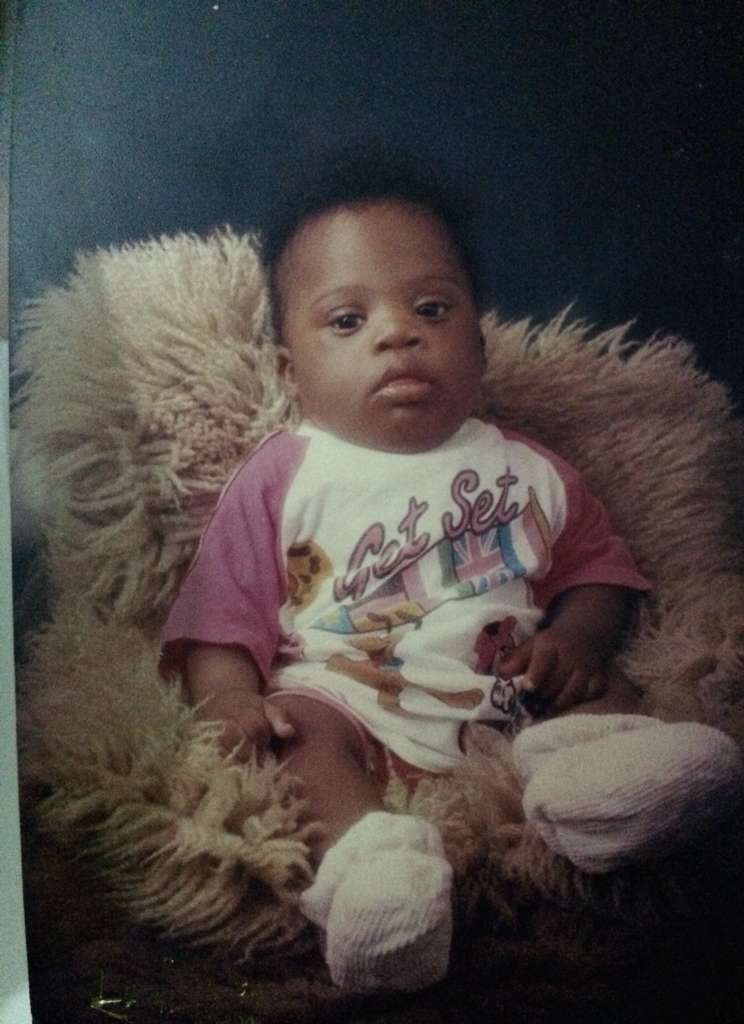
He didn't speak on time. He still stutters, badly enough that most people can't follow him — so growing up, when he tried to talk to someone outside our house, they'd turn to me: what did he say? I was the translator before I understood what that meant. We were attached at the hip. It was Barney & Friends, on repeat, that finally got him talking — the songs did what nothing else had.
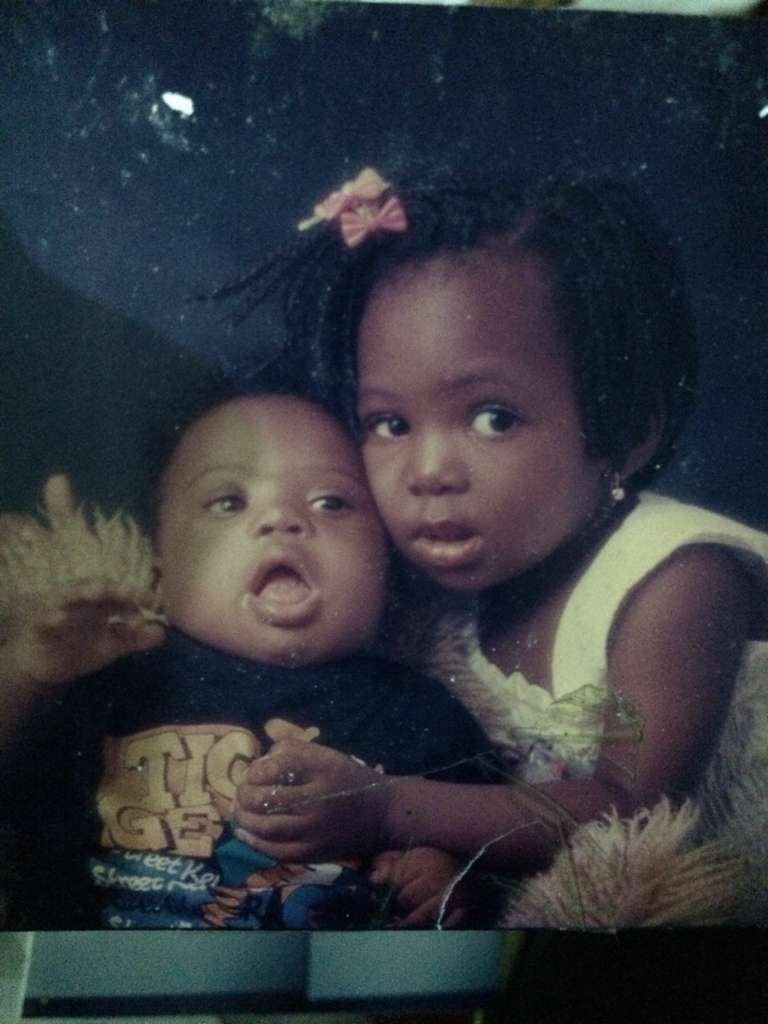
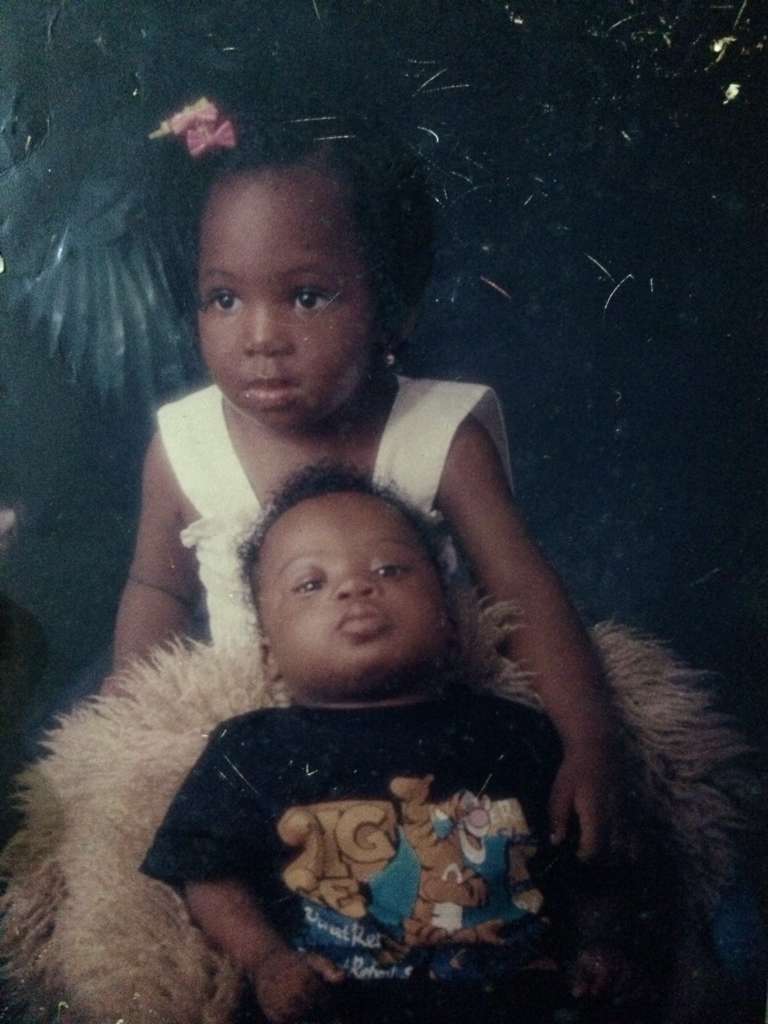
Folarin has Down syndrome. In Nigeria, that's not something families say out loud. There's a stigma that pushes children like him to the margins of their own lives — fewer expectations, less patience, sometimes outright cruelty dressed up as discipline. He was punished at school for being left-handed. Teachers gave him none of the grace they'd have given anyone else struggling to be understood. When we were sent to boarding school, we were split apart for the first time, and I felt what it cost him to not have me standing next to him translating the world.
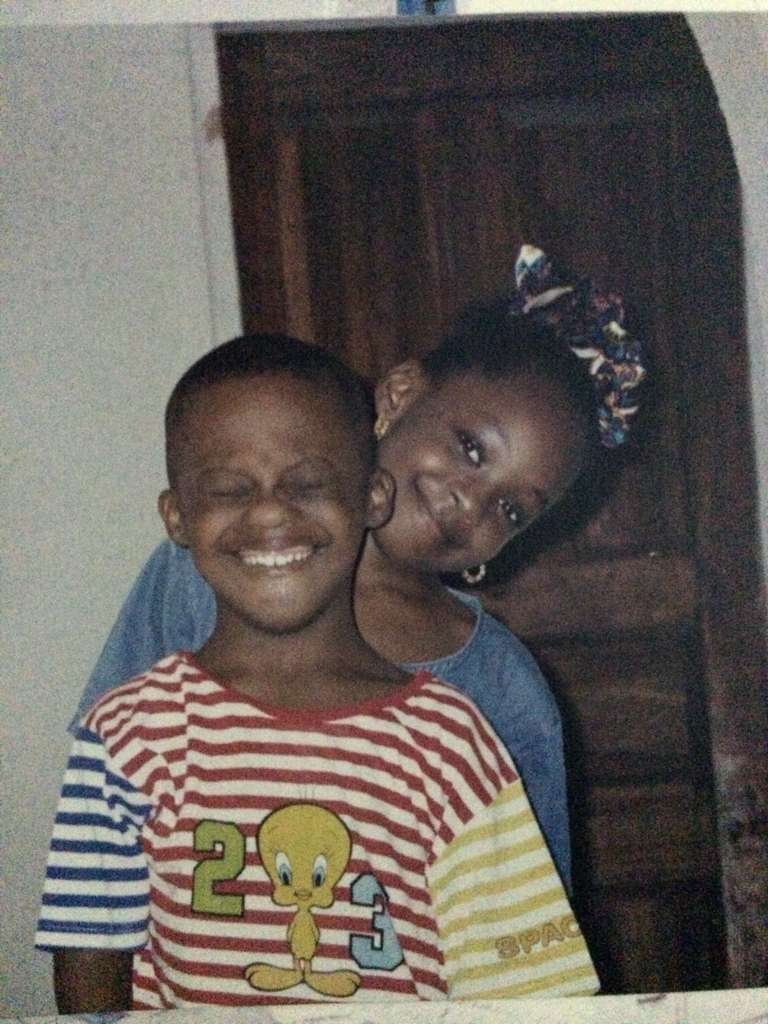
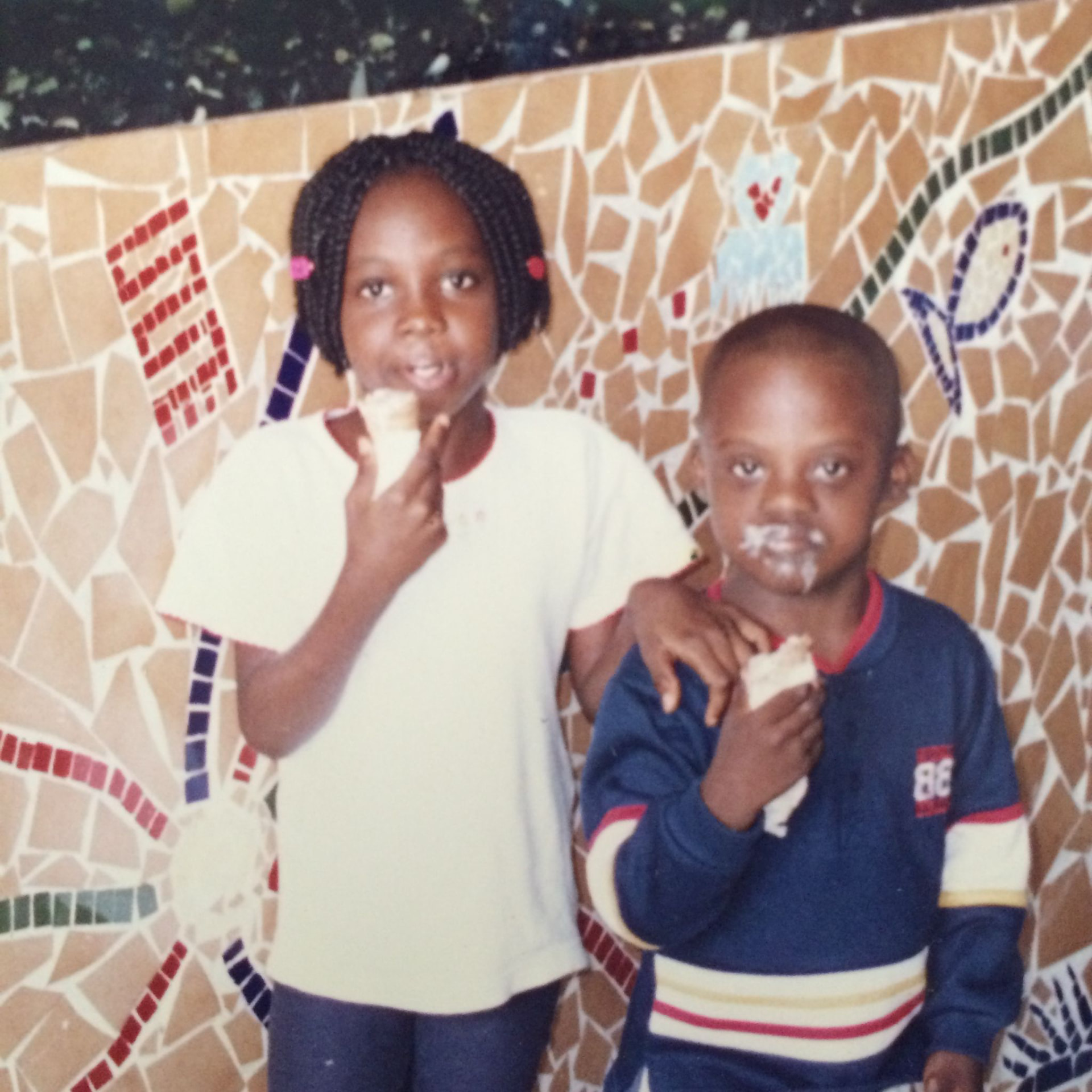
Growing up, I thought the answer was simple: I was going to fix it. Fix him — because that's what Nigeria had put in me: that he was something broken, needing repair, rather than someone who needed to be loved and accepted exactly as he was. It took years — and what I can only describe as something the Lord put in front of me rather than something I planned — to unlearn that. The stigma was never a flaw in him. It was a flaw in how society was built around him.
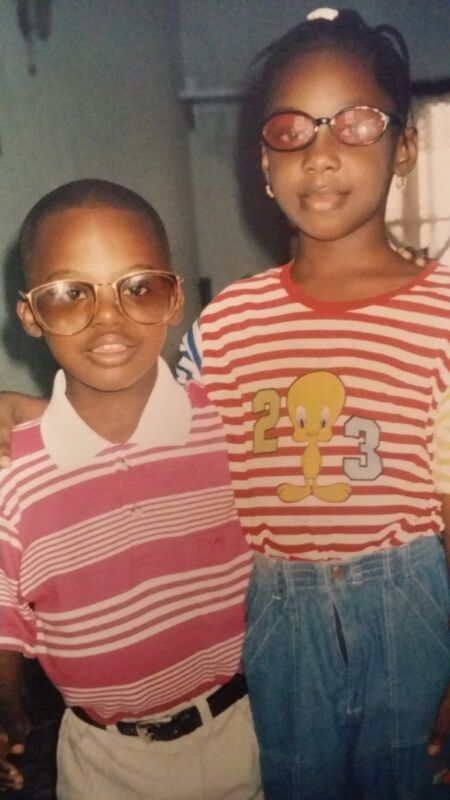
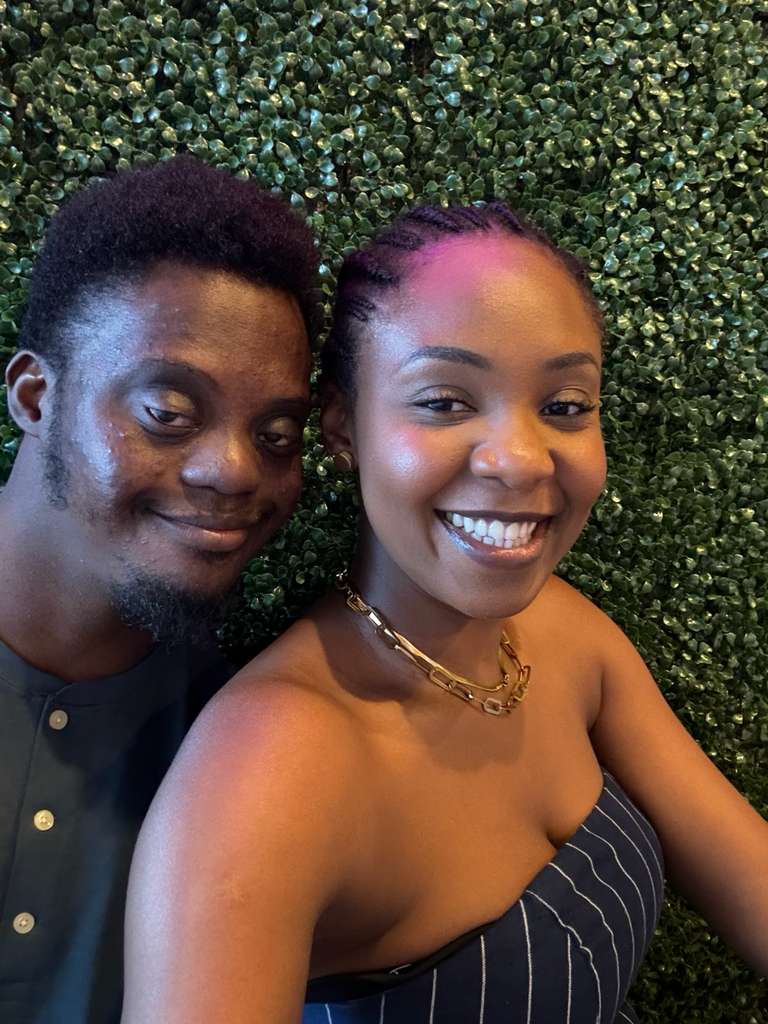
So the vision stopped being a single building and became a place: somewhere he could live, learn, earn, work, and teach, without needing anyone's permission to belong there.
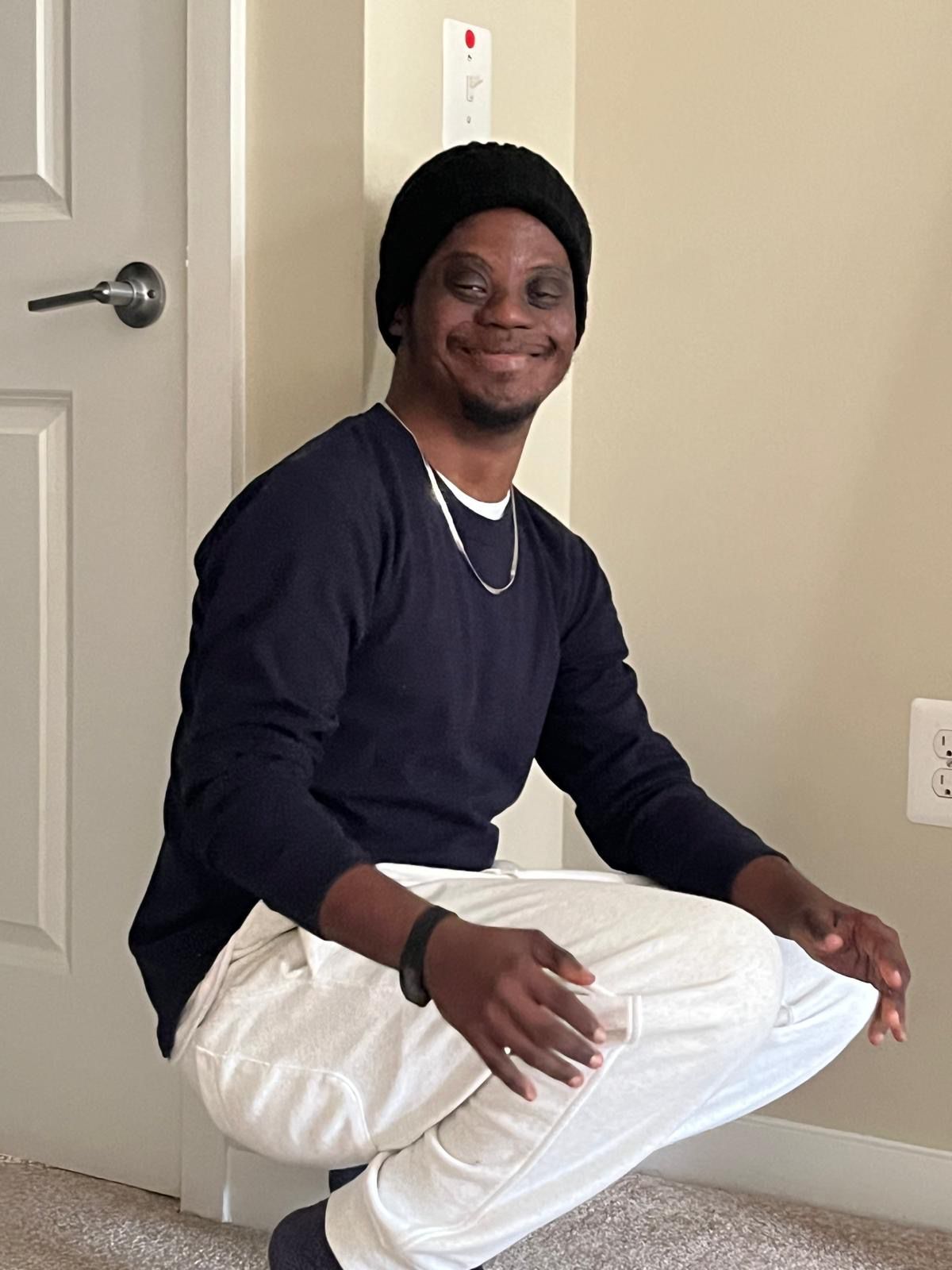
Mount Gilgal is for Folarin. Not to him — not a program done at people like my brother, handed down as charity. For him: a place where being understood isn't something you have to earn, where a stutter or a slower path to speech doesn't get you punished or sidelined, where people with intellectual and physical disabilities aren't the exception the building was designed around after the fact — they're who it was designed for, from the ground up. Everyone else is welcome. But the priority was never in question.
About the founder
Abimbola holds a BSc in Clinical Psychology from Covenant University and worked directly with Special Olympics Nigeria, helping facilitate their events — the same instinct that now shapes fourteen-plus years of corporate strategy behind Mount Gilgal.
Stay connected
There is room in this vision for many kinds of support.
Each opens an email to abimbola@mountgilgal.org
Follow the journey